Legal Operations
Bankruptcy Law
Collect detailed financial data by chapter type with means-test intake, creditor tracking, and court deadline automation. MHSB designs practice-specific Lawmatics workflows, automations, and reporting for bankruptcy law firms.
Need the right Lawmatics implementation path first?
We use practice-specific pages like this to show what changes by matter type. When you are ready to plan delivery, start with a strategy consultation or the audit-vs-build guide.
Book a Strategy Consultation
Review bankruptcy law workflows, intake priorities, and implementation constraints with MHSB.
Compare Audit vs Build
Choose whether your firm needs optimization, a rebuild, or a phased implementation plan.
How MHSB Works
See our audit, implementation, QA, training, and launch delivery process.
Lawmatics Implementation FAQ
Get answers on timelines, scope, support, and integrations.
Bankruptcy intake demands more raw financial data than any other practice area. Before an attorney can advise on chapter selection, the firm needs a complete picture of the debtor’s assets, liabilities, income, expenses, and creditor relationships. Each chapter has different eligibility requirements: Chapter 7 requires means-test qualification, Chapter 13 requires a feasible repayment plan, and Chapter 11 involves entirely different disclosure and plan confirmation processes. A generic intake form that asks “tell us about your situation” wastes the consultation and delays filing.
Chapter-specific intake and means-test screening
We configure Lawmatics intake forms with conditional logic based on the chapter the prospect is considering, or, when they are unsure, a preliminary questionnaire that captures enough data for your team to recommend the appropriate chapter. Chapter 7 intake includes household size, income sources, and expense categories needed for the means test calculation. Chapter 13 intake adds disposable income projections and secured debt details for plan feasibility analysis. Chapter 11 intake captures business revenue, employee count, and organizational structure. These structured forms feed into your client intake pipeline so attorneys walk into consultations with organized financial summaries instead of scattered notes.
Exhaustive document collection
Bankruptcy petitions require extensive supporting documentation: six months of pay stubs, two years of tax returns, three months of bank statements, vehicle titles, mortgage statements, credit card statements, and credit reports. We build document request sequences that go out immediately after intake, organized by document type with clear instructions and deadlines. Automated reminders escalate from email to SMS as the filing deadline approaches. A tracking dashboard shows your paralegal exactly which documents have been received and which are outstanding for every active matter, eliminating the spreadsheet tracking that most firms default to.
Court deadlines and creditor management
Bankruptcy cases run on a court-imposed timeline: petition filing, automatic stay, 341 meeting of creditors, plan objection deadlines, and discharge. We configure pipeline stages that mirror this procedural sequence with automated reminders at each milestone. Creditor matrix data captured during intake populates fields used for notice preparation. When a 341 meeting date is set, the system generates preparation task checklists for the attorney and sends the debtor a reminder with appearance instructions and a list of documents to bring.
Typical workflows we configure
- Chapter-specific conditional intake forms with means-test pre-screening fields
- Financial data capture covering assets, debts, income, expenses, and creditor lists
- Staged document request sequences for pay stubs, tax returns, bank statements, and credit reports
- Court deadline pipelines from petition filing through 341 meeting to discharge
- Creditor matrix data collection with address verification fields
- Post-discharge follow-up for Chapter 13 completion monitoring and client reviews
If your bankruptcy practice needs intake that collects the financial detail your petitions require, schedule a consultation to discuss your setup.
What This Looks Like in Lawmatics
These are the Lawmatics tools we configure for bankruptcy law implementations.
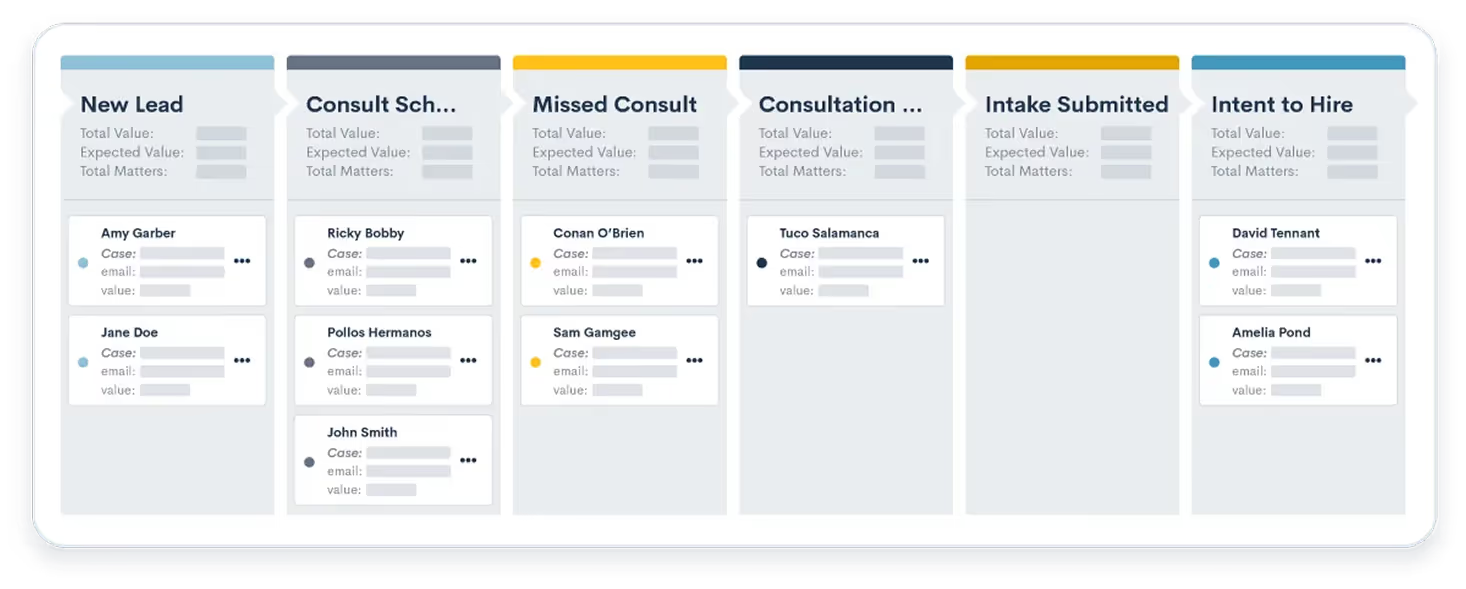
Pipeline Stages for Bankruptcy Matters
Track each case from initial consultation through filing, confirmation, and discharge with drag-and-drop pipeline management.
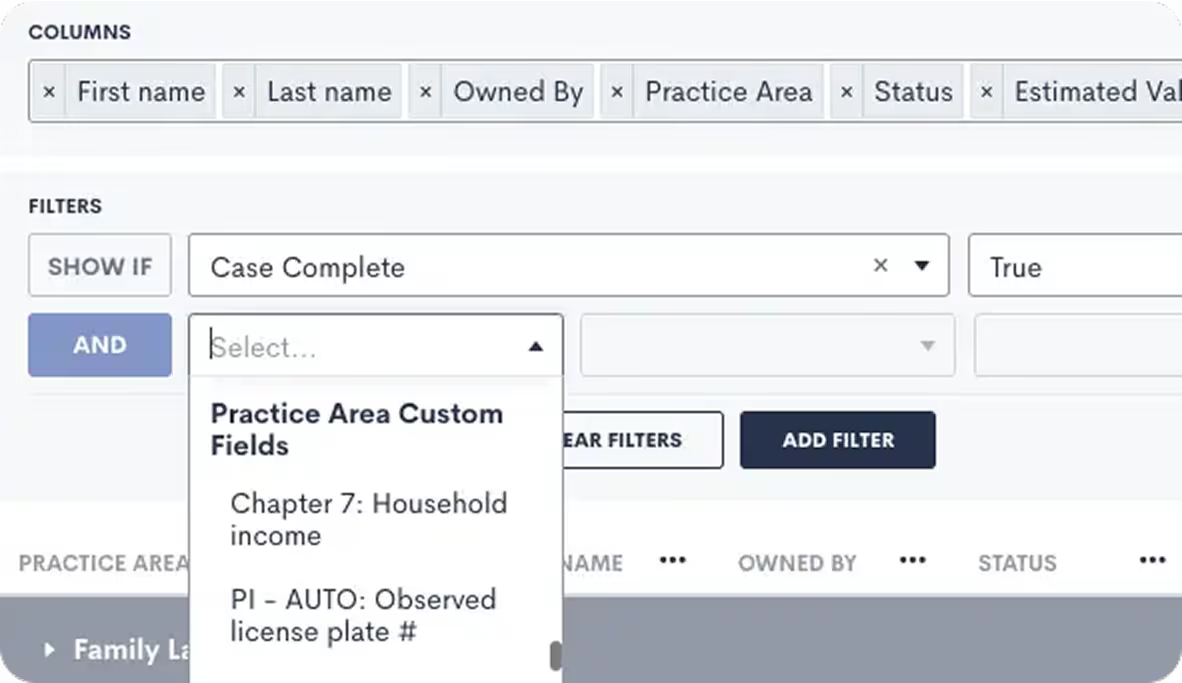
Practice Area Reporting
Break down case volume, conversion rates, and revenue by bankruptcy chapter type to see which matters drive growth.
Key Outcomes for Bankruptcy Law
We align Lawmatics with the workflows and expectations of this practice area so your team can deliver a consistent client experience.
Chapter-specific intake forms for Chapter 7, 11, and 13 with conditional field logic.
Comprehensive financial data capture: assets, debts, income, expenses, and creditor lists.
Means test pre-screening fields that flag eligibility issues before the consultation.
Court deadline automation for petition filing, 341 meetings, and plan confirmation.
Document collection sequences for tax returns, pay stubs, bank statements, and credit reports.
Creditor matrix tracking with address verification and notice automation.
Referral source attribution for financial counselors, accountants, and debt relief agencies.
How We Implement Lawmatics for This Practice
Our implementation team focuses on the workflows that matter most to your practice, from first contact to post-matter follow-up.
Intake built for the matter type
Capture the right facts and documents with conditional logic and guided workflows.
Automations that keep cases moving
Trigger tasks, follow-ups, and reminders based on stage and urgency.
Visibility that supports growth
Track performance by practice area, source, and outcome with clear dashboards.
Next Step
Want a Practice-Specific Implementation?
Schedule a consultation to see how MHSB can tailor Lawmatics for your practice area.